
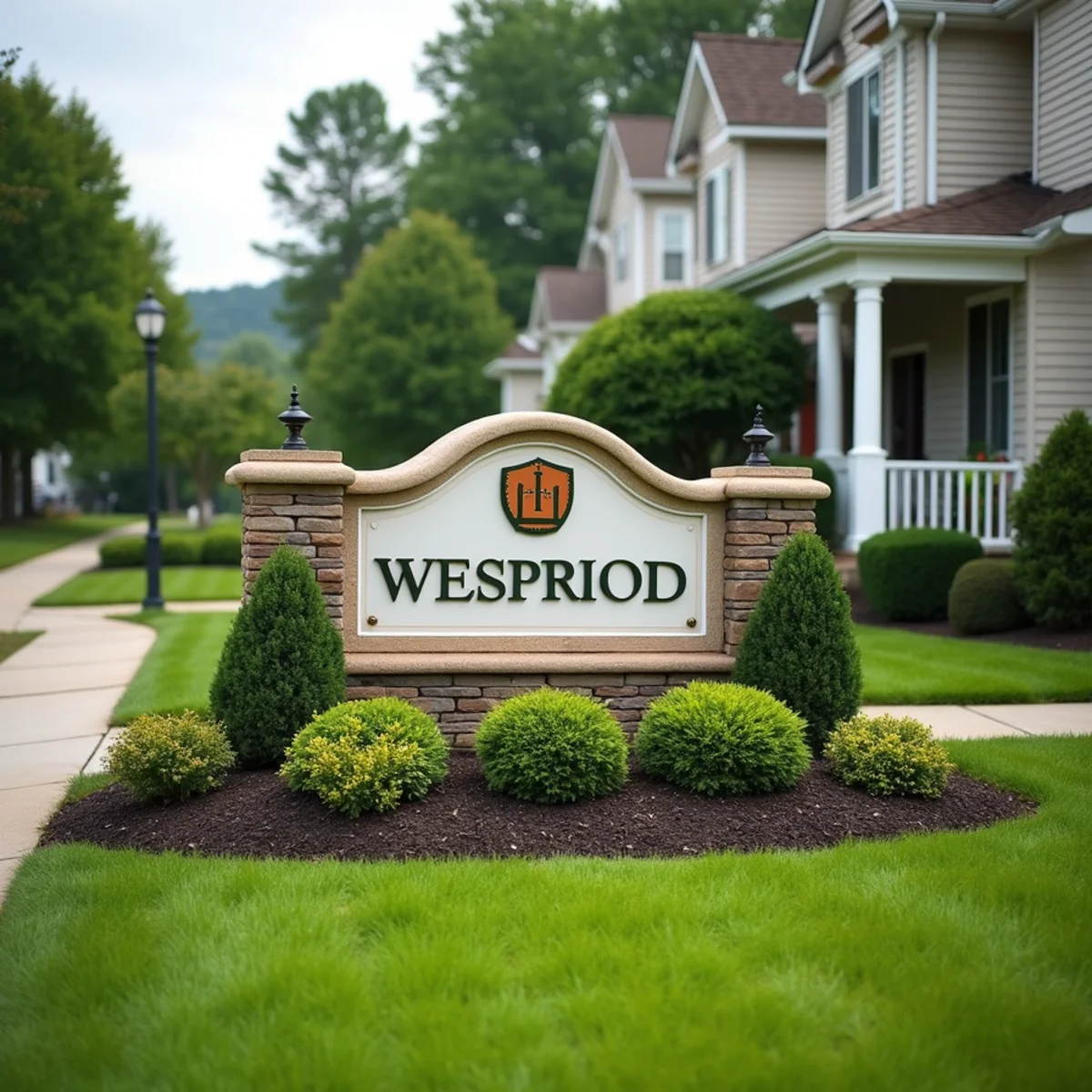
For a homeowners association, landscaping is not decoration; it is one of the most visible drivers of property value and one of the most common sources of resident complaints and liability. Well-kept common areas, crisp entrances, and consistent standards across a community signal that the association is run well, which supports home values and eases the sale of every unit. Patchy turf, overgrown beds, and safety hazards do the opposite. Here is how effective HOA landscape standards come together in Monmouth County.
Why landscape standards matter to an HOA
The curb appeal of common areas and entrances is the first thing prospective buyers, appraisers, and visitors notice, and it colors their impression of the entire community. Beyond aesthetics, the association carries a duty to maintain safe common grounds. Overgrown sightlines at intersections, tripping hazards on walkways, dead limbs over parking areas, and icy paths in winter are liability exposures. Consistent, documented maintenance standards protect both property values and the association against avoidable claims.
Core elements of a strong standard
A useful set of HOA landscape standards spells out what gets done, how often, and to what level of quality across the whole property. The best standards are specific enough to hold a contractor accountable and consistent enough that every corner of the community looks intentional.
- Turf care: a defined mowing schedule and height, edging, fertilization, aeration, and overseeding to keep common lawns dense and uniform
- Bed maintenance: regular weeding, seasonal mulch refresh, pruning, and plant health monitoring
- Seasonal cleanups: spring and fall cleanups to clear debris, cut back beds, and prepare the grounds for each season
- Entrance and signage areas: heightened attention to the high-visibility spots that define the community's image
- Safety and sightlines: trimming that keeps intersections, walkways, and signage clear, and prompt removal of hazards
- Irrigation management: seasonal startup, monitoring, and winterization to protect plantings and avoid waste
- Winter service: snow and ice management on common drives and walks to keep them passable and safe
Consistency is the whole game
The hallmark of a well-managed community is uniformity. When every lawn is mowed to the same height on the same schedule, every bed carries the same fresh mulch, and every entrance is equally sharp, the property reads as cared-for and cohesive. Inconsistency, one section lush and another neglected, is what residents notice and complain about. Delivering that consistency across a large property takes a contractor with the crews, equipment, and systems to service the whole community reliably, week after week.
Budgeting and contract structure
Associations are accountable to their members for how funds are spent, so a clear, comprehensive maintenance contract matters. The strongest agreements define the full scope, spell out visit frequency and seasonal services, and separate routine maintenance from as-needed work like storm cleanup or major plant replacement. That transparency lets the board budget accurately and compare proposals on equal footing, rather than being surprised by add-ons. A single provider handling turf, beds, seasonal cleanups, and winter service also simplifies coordination and accountability for the board and property manager.
Year-round, not just growing season
HOA landscaping is a four-season responsibility. Spring means cleanup, mulch, and getting turf growing; summer is mowing, weeding, irrigation, and bed care; fall brings aeration, overseeding, leaf management, and winterizing; and winter shifts to snow and ice management on common areas. Gaps in any season create problems: skipped fall aeration means a thin lawn all next year, and inadequate winter service creates immediate safety and liability issues. Our commercial landscaping maintenance programs cover the full calendar, so the community looks its best and stays safe every month, and our lawn care and maintenance keeps common turf dense and uniform through the growing season.
Managing resident expectations
Even a well-run program generates questions from residents, and getting ahead of them keeps the board's inbox manageable. Clear communication about what the association maintains versus what falls to individual homeowners prevents a surprising share of disputes, as does explaining why certain work happens when it does. Residents who understand that beds are mulched in late spring rather than early March, or that overseeding is a fall job, are far less likely to file complaints that the grounds look unfinished. A contractor who can articulate the schedule and reasoning, and who keeps the manager informed of what was done and what is coming, makes the board's job easier. Consistency plus communication is what turns landscaping from a source of friction into a point of community pride.
Choosing the right partner
Boards and property managers should look for a contractor who is licensed and insured, responsive to the manager's requests, and able to service the entire property consistently, including emergencies. Storm response matters: when a nor'easter drops limbs across community drives, the association needs a partner who answers. As a licensed and insured local company serving Monmouth County since 2020, with 24/7 emergency response and a satisfaction guarantee, we work with boards and managers across communities in Manalapan and Monroe to keep grounds sharp, safe, and consistent year-round.
Strong landscape standards protect the value of every home in your community and keep the board out of avoidable trouble. If your association is reviewing its landscape maintenance or looking for a more reliable partner, call The Blue Sky One LLC at (323) 606-0255. We will walk the property, understand your standards, and put together a comprehensive program that keeps your community looking its best in every season.
Ready to start? Talk to a local landscaping expert now.
(323) 606-0255Frequently Asked Questions
Well-kept common areas and entrances are among the most visible drivers of property value, shaping how buyers, appraisers, and visitors perceive the whole community. Consistent maintenance also reduces liability, since overgrown sightlines, tripping hazards, and dead limbs create real exposure. A professional program delivers the uniformity and documentation that protect both home values and the association from avoidable claims.
A strong contract defines the full scope and quality standards: mowing schedule and height, edging, fertilization, aeration and overseeding, bed weeding and mulch, seasonal cleanups, irrigation management, sightline and hazard clearance, and winter snow and ice service. It should separate routine maintenance from as-needed work like storm cleanup, so the board can budget accurately and compare proposals on equal terms.
Clear standards ensure hazards are addressed on a schedule rather than after a complaint or injury. Keeping sightlines trimmed at intersections and entrances protects drivers and pedestrians, prompt removal of dead limbs prevents falling-branch incidents, and reliable winter deicing on common walks and drives reduces slip-and-fall risk. Documented, consistent maintenance also demonstrates the association acted responsibly if a claim ever arises.
Yes, and a single provider covering the full calendar simplifies coordination and accountability for the board and property manager. The same crews that maintain turf, beds, and cleanups through the growing season handle leaf management, winterizing, and snow and ice service in winter. The Blue Sky One LLC provides year-round commercial maintenance and 24/7 emergency response for Monmouth County communities.