
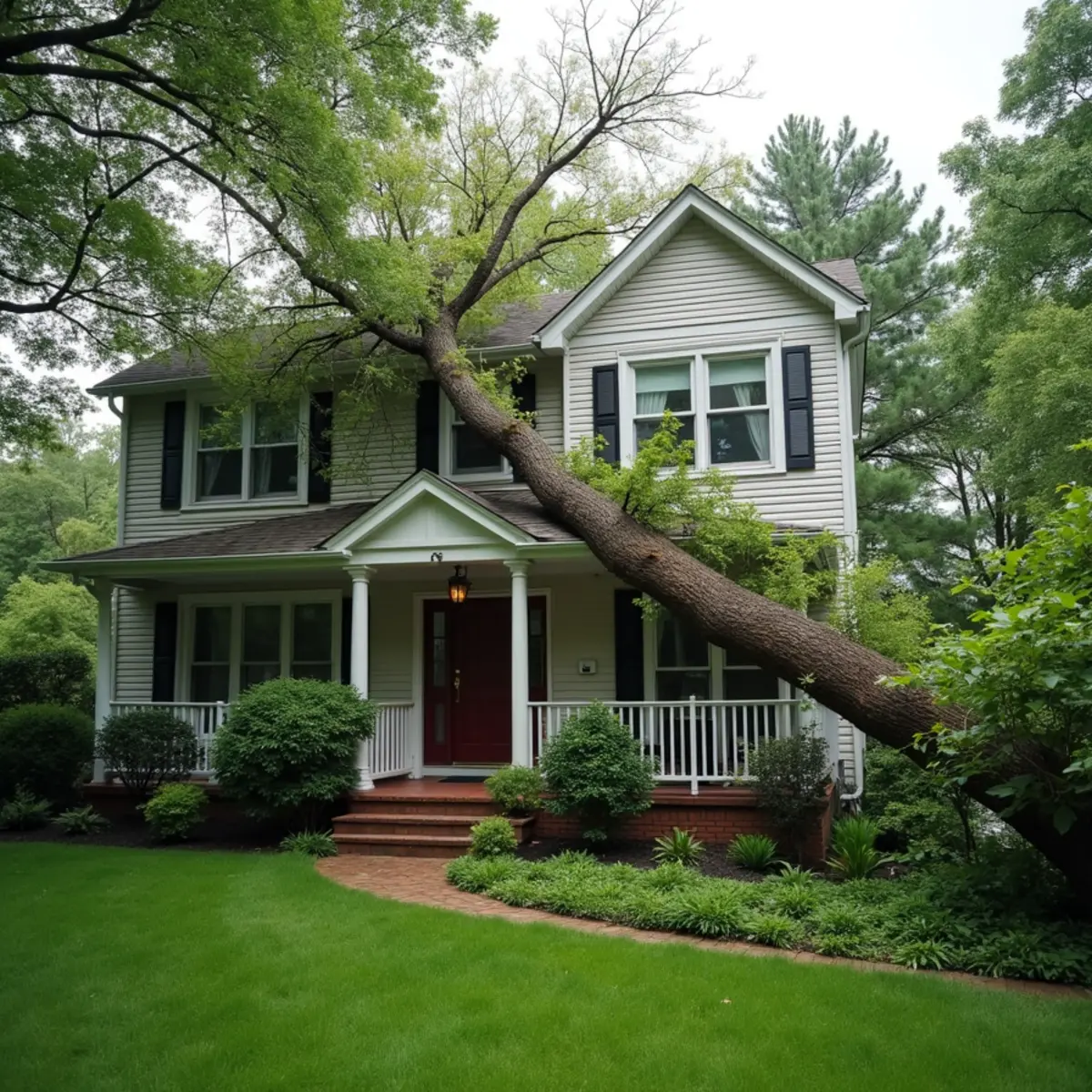
When a tree comes down in a Monmouth County storm, one of the first worries after safety is money. Tree removal and property repair are not cheap, and homeowners naturally want to know whether their insurance will cover it. The answer is one of the most misunderstood topics in home insurance, because coverage often hinges on a detail people do not expect: not whether the tree fell, but what it landed on. Here is how it generally works, so you can approach your claim with realistic expectations.
The rule that surprises most homeowners
In broad terms, homeowners policies are often more likely to help with removal when a fallen tree damages an insured structure, such as your house, garage, fence, or shed. If a healthy tree topples in a storm and lands harmlessly in the open yard without hitting anything, many policies provide little or no help with hauling it away, because no covered structure was damaged. That can feel backward, but it reflects how these policies are typically written: they respond to damage to covered property, not simply to the fact that a tree fell.
What typically influences a claim
- What the tree hit: damage to a covered structure is more likely to trigger help with removal than a tree that fell in the open.
- The cause of the fall: storm, wind, or another covered peril generally stands on different footing than a tree that failed because it was dead or neglected.
- Your deductible: even a covered claim only pays above your deductible, and small jobs may fall under it.
- Coverage limits: policies frequently cap the amount they will contribute toward debris removal, so a large or complex removal can exceed the limit.
- Whose tree it was and where it fell, which can raise questions between neighbors.
The maintenance question
Insurers pay attention to whether a tree failed because of a storm or because it was already dead, diseased, or obviously hazardous and left unaddressed. A tree brought down by a nor'easter is a very different claim than one that fell because it had been visibly rotting for years. This is one practical reason to keep an eye on the trees on your property and address clearly declining ones before they fall, both for safety and to avoid a coverage dispute later.
How to strengthen your claim
Whatever your policy says, you can help your own case considerably by documenting thoroughly and acting reasonably. Adjusters respond well to clear evidence and a homeowner who took sensible steps to prevent further damage.
- Photograph the scene before anything moves: the tree, every point of contact with a structure, and the base and root plate.
- Note the date, time, and the storm, especially if there was a named nor'easter or a severe weather warning.
- Call your insurer promptly to open the claim and ask specifically what your policy covers for removal and repair.
- Take reasonable emergency steps to prevent more damage, such as tarping a roof, and keep all receipts.
- Keep records of the removal work and any repair estimates so your file is complete.
Why the removal itself still needs to be done right
Whether or not insurance contributes, a tree that has hit your home needs to come off carefully. A trunk resting on a roof continues working at the shingles and framing every hour it stays, and storm-felled trees carry hidden tension that makes them dangerous to cut. Our Emergency Fallen Tree and Limb Removal crews handle exactly this: relieving the load safely, protecting the structure during removal, and clearing the tree without adding damage. Because we are licensed and insured, our work also fits cleanly into an insurance file, which matters when an adjuster is reviewing what was done.
For the broader mess a fallen tree leaves behind, our 24/7 Emergency Storm Damage Cleanup service restores the rest of the property, from crushed beds and broken fencing to the debris scattered across the lawn. Keeping documentation of this work, with photos before and after, supports your claim and gives you a clear record of the full scope.
One more practical point on cost: even a covered claim only pays above your deductible, and many policies cap what they will contribute toward debris removal specifically. That means a large or complex removal can run past what the policy covers, so it helps to understand your limits before the bills arrive. Ask your insurer directly about your debris-removal limit and deductible when you open the claim, and factor those numbers into your decisions rather than assuming the policy covers the entire job.
A note on timing
Do not let a coverage question stall you when a tree is actively damaging your home. Most policies expect you to take reasonable steps to prevent further damage, and waiting for an adjuster before tarping a hole in your roof can make things worse and complicate the claim. Open the claim, document everything, make the property safe, and keep your receipts. The coverage determination and the emergency response can, and often should, proceed in parallel.
When a storm brings a tree down on your Howell Township or Monmouth County property, The Blue Sky One LLC is ready around the clock. We have served the area since 2020, we are licensed and insured, and our documented emergency work supports your insurance claim. Call (323) 606-0255 for fast, safe tree removal and storm cleanup, backed by our satisfaction guarantee.
Ready to start? Talk to a local landscaping expert now.
(323) 606-0255Frequently Asked Questions
Often not, or only minimally. Many policies are geared to respond when a fallen tree damages a covered structure like your home, garage, or fence. A tree that falls harmlessly in the open yard frequently falls outside that, or under your deductible. Your insurer makes the final call, so confirm your specific coverage before assuming.
Yes. A tree brought down by a storm or wind generally stands differently than one that fell because it was dead, diseased, or a known hazard left unaddressed. Insurers look at maintenance, which is one reason to deal with clearly declining trees before they fall, both for safety and to avoid a coverage dispute later.
Do not wait to make the property safe. Most policies expect reasonable steps to prevent further damage, such as tarping a punctured roof. Photograph everything first, then act to stop additional damage and keep all receipts. The emergency work and the coverage review can proceed at the same time; delaying safety measures can hurt your claim.
A licensed and insured contractor produces clear documentation and professional records that fit neatly into an insurance file, which adjusters value. Before-and-after photos and itemized records of the removal and cleanup give you a complete account of the work and scope, supporting your claim and reducing back-and-forth over what was done and why.