
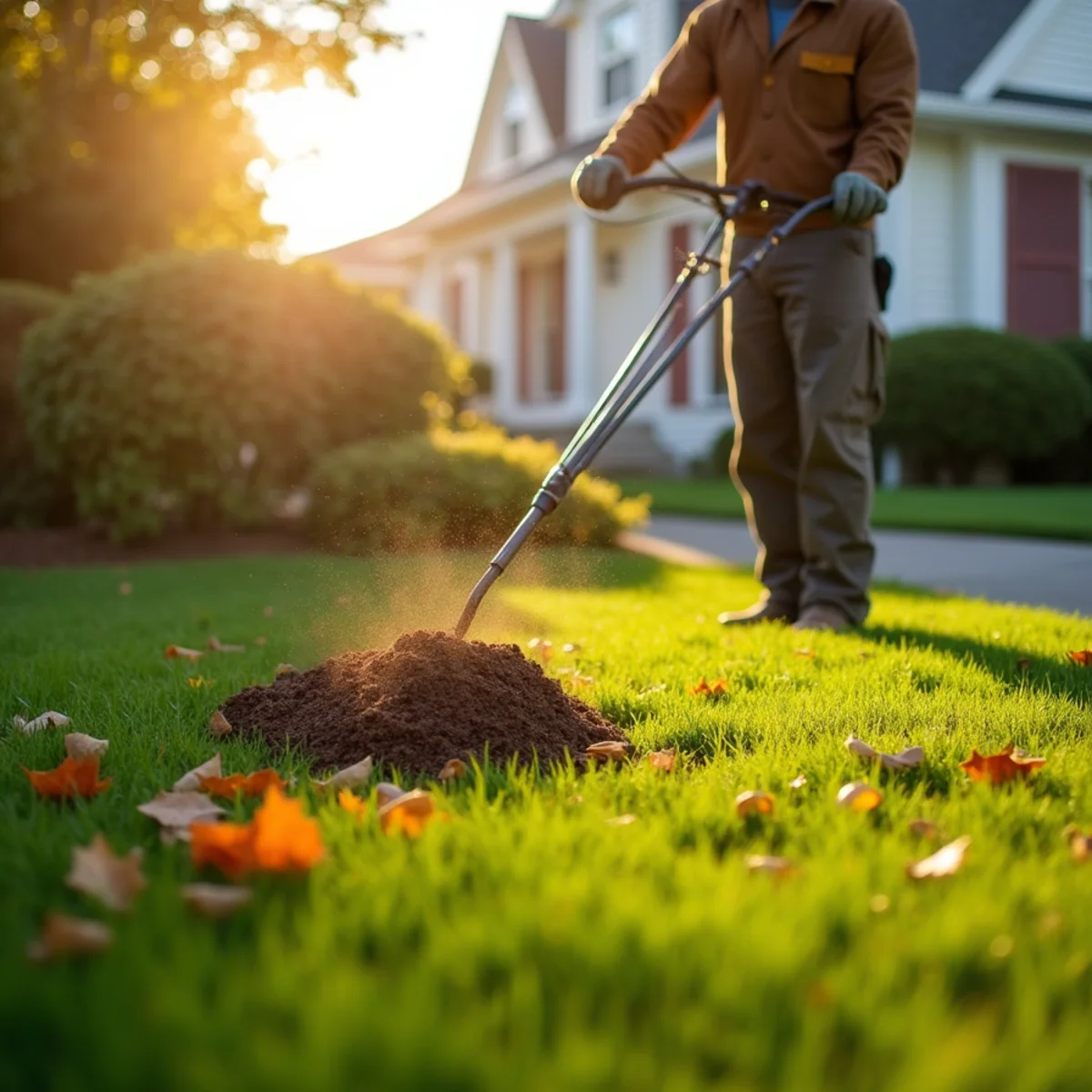
If you only invest real effort in your lawn once a year, make it fall. For the cool-season grasses that dominate New Jersey lawns, the weeks from late summer into autumn are prime time. Soil is still warm enough for fast root growth, nights are cooling, moisture is more reliable, and weed competition is fading. Aerating, overseeding, and winterizing now builds a thicker, deeper-rooted lawn that shrugs off next summer's heat and drought. Skip fall, and you spend all of next year playing catch-up.
Why fall beats spring for lawn work
Cool-season grasses like fescue and bluegrass grow most vigorously when air temperatures are mild and soil is still warm, exactly the fall pattern. New seed germinates quickly and has two cool, moist seasons, fall and the following spring, to establish before facing summer stress. Crabgrass and many other weeds, meanwhile, are winding down and no longer crowding out young grass. Spring seeding has to fight heat and weeds almost immediately, which is why fall-established turf is consistently stronger.
Core aeration: relieving the compaction
Over a season of foot traffic, mowing, and rain, soil compacts, especially in our clay-heavy pockets, and compacted soil chokes roots of the air and water they need. Core aeration pulls small plugs of soil from the lawn, opening channels that let air, water, and nutrients reach the root zone and giving roots room to expand. It also creates ideal seed-to-soil contact for overseeding. Leave the plugs on the surface to break down; they return organic matter to the lawn. Aeration is the single most valuable mechanical thing you can do for a tired lawn, and fall is the time to do it.
Overseeding: thickening the turf
A thick lawn is its own best weed control, because dense turf leaves no room for weeds to establish. Overseeding right after aeration drops fresh seed into the open holes with excellent soil contact. Choose a quality seed blend suited to the site's sun and soil, keep the seedbed consistently moist while it germinates, and hold off on any weed-control products that would also stop grass seed from sprouting. Within a few weeks you see the fill-in, and by the following season the lawn is noticeably denser.
- Mow slightly lower than usual and clear debris so seed reaches the soil
- Core aerate the entire lawn, making multiple passes on heavily compacted areas
- Overseed immediately with a blend matched to your light and soil conditions
- Apply an appropriate starter feeding to support root and seedling growth
- Water lightly and often to keep the seedbed moist until seedlings establish
- Continue mowing through fall, and keep leaves from matting on new grass
Winterizing turf and beds
Beyond seeding, fall is when you prepare everything for winter. A late-fall feeding, timed while the grass is still green but growth has slowed, helps the lawn store energy for a strong spring green-up. Keep mowing until growth stops, lowering the final cut slightly so long grass does not mat under snow and invite disease. Clear leaves regularly rather than letting them pile into wet mats that smother turf. In beds, cut back spent perennials as they fade, and plan a protective mulch layer for after the ground first freezes to guard against freeze-thaw heaving.
Do not skip the leaves
Fallen leaves are the most underestimated fall hazard for a lawn. A heavy, wet leaf layer blocks light and air, traps moisture, and sets up snow mold and dead patches by spring. Regular removal, or mulching light leaf fall back into the turf with a mower, keeps grass breathing. Our seasonal yard cleanups handle the steady leaf load and end-of-season cutbacks so your lawn heads into winter clean and your beds are properly put to rest.
Choosing the right seed and mowing through fall
The seed you spread determines the lawn you get, so match the blend to the site. Tall fescue blends handle heat and drought well and suit sunny, higher-traffic areas, while fine fescues tolerate shade better and Kentucky bluegrass knits together and self-repairs but wants more sun and water. Most quality lawns here use a blend rather than a single species, which spreads risk across different conditions and stresses. Buy fresh, high-quality seed and check the label for weed-seed content, because bargain seed often carries the very weeds you are trying to crowd out. Keep mowing through the fall as long as the grass is growing, and only lower the final cut slightly for winter so blades do not mat under snow.
Putting it together
Aeration, overseeding, feeding, and cleanup work as a system, and timing is everything. Our lawn care and maintenance programs sequence these tasks across the fall window so each one reinforces the next, from the aeration pass through the final winterizing feed. Homeowners across Howell and Old Bridge who commit to a real fall program consistently have the greenest, thickest lawns on the block the following June, with far less effort spent fighting weeds and thin spots.
Fall is a short, high-value window, and it closes fast once cold sets in. To get your aeration, overseeding, and winterizing done on time this year, call The Blue Sky One LLC at (323) 606-0255. We will build a fall program that turns your lawn into next season's best-looking turf on the street.
Ready to start? Talk to a local landscaping expert now.
(323) 606-0255Frequently Asked Questions
Our cool-season grasses grow most vigorously when soil is still warm and nights are cooling, exactly the fall pattern. New seed germinates fast and gets two mild seasons to establish before summer stress, and weeds like crabgrass are fading rather than competing. Spring seeding has to battle heat and weeds immediately, so fall-established lawns are consistently thicker and more resilient.
Core aeration pulls small plugs of soil from the lawn, opening channels that let air, water, and nutrients reach the roots and giving roots room to spread in compacted ground. It also creates ideal seed-to-soil contact for overseeding. Leave the plugs on the surface to break down and return organic matter. It is the most valuable mechanical treatment for a compacted, tired lawn.
No. Pre-emergent crabgrass preventers stop seeds from germinating, and they cannot tell the difference between crabgrass and the grass seed you just spread. Applying both together wastes your seed and money. Schedule weed prevention and overseeding in separate windows, and check each product label for its recommended reseeding interval before you apply anything near new seed.
Heavy, wet leaf layers block light and air, trap moisture, and cause snow mold and dead patches by spring, so they should not be left to mat down. Light leaf fall can be mulched back into the turf with a mower, which returns nutrients, but thick accumulations need to be cleared regularly through the fall to keep the grass healthy over winter.