
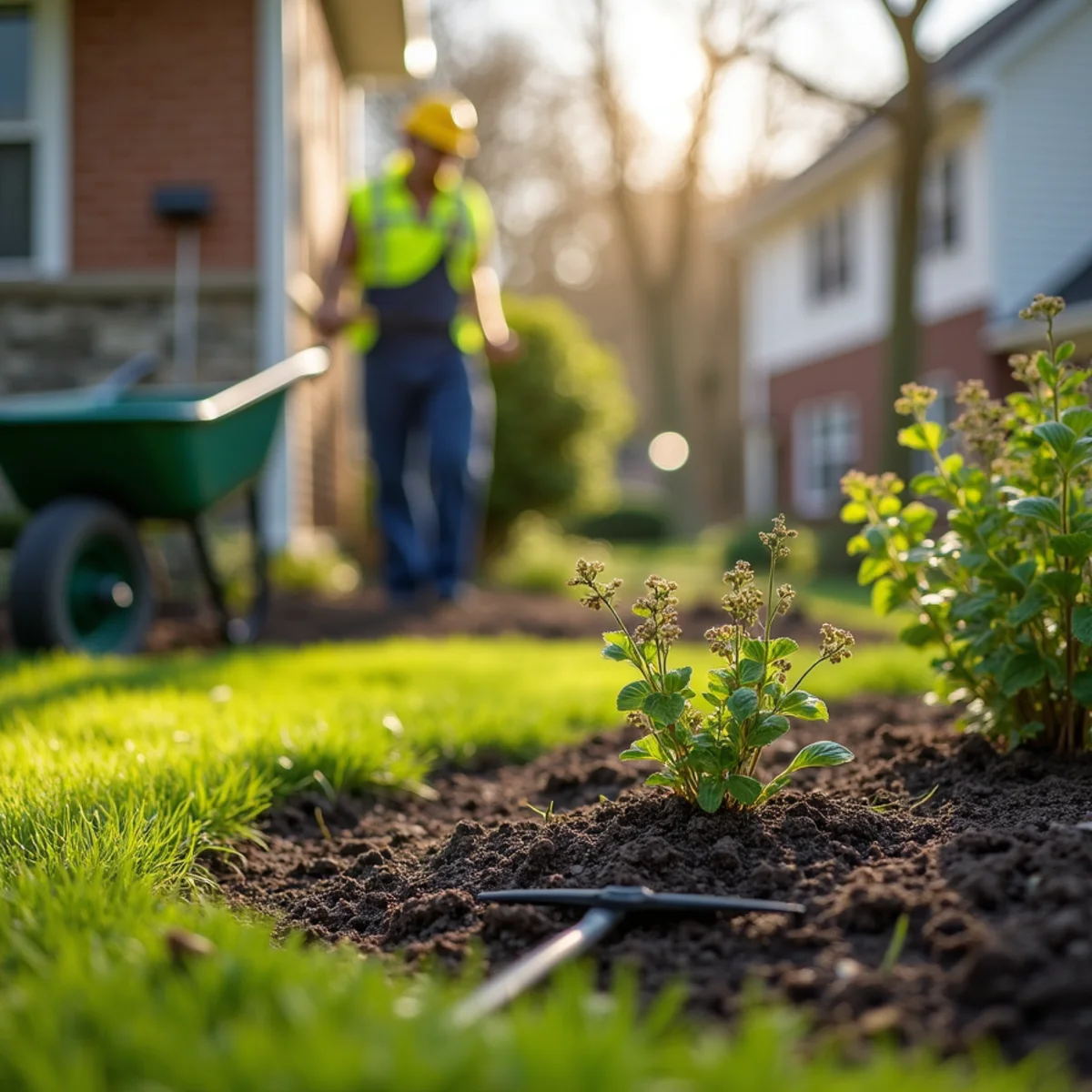
Spring cleanup sets the tone for the entire growing season. Done well and at the right time, it clears winter's damage, wakes up your beds, and gives turf a clean start. Done too early or too aggressively, it can compact wet soil, harm emerging plants, and destroy the beneficial insects overwintering in your garden. Here is the checklist we follow across Central Jersey, with the timing and technique that make the difference.
Wait for the right moment
The first rule of spring cleanup is patience. Working soil while it is still saturated compacts it and damages structure, especially in our clay pockets, and you will pay for it all season. Wait until the ground has dried enough that a handful crumbles rather than smears. There is also an ecological reason to hold off on cutting back beds too early: many native bees and beneficial insects overwinter in hollow stems and leaf litter, and waiting until daytime temperatures are consistently in the low fifties gives them time to emerge. Patience protects both your soil and your garden's helpers.
The seven-step spring checklist
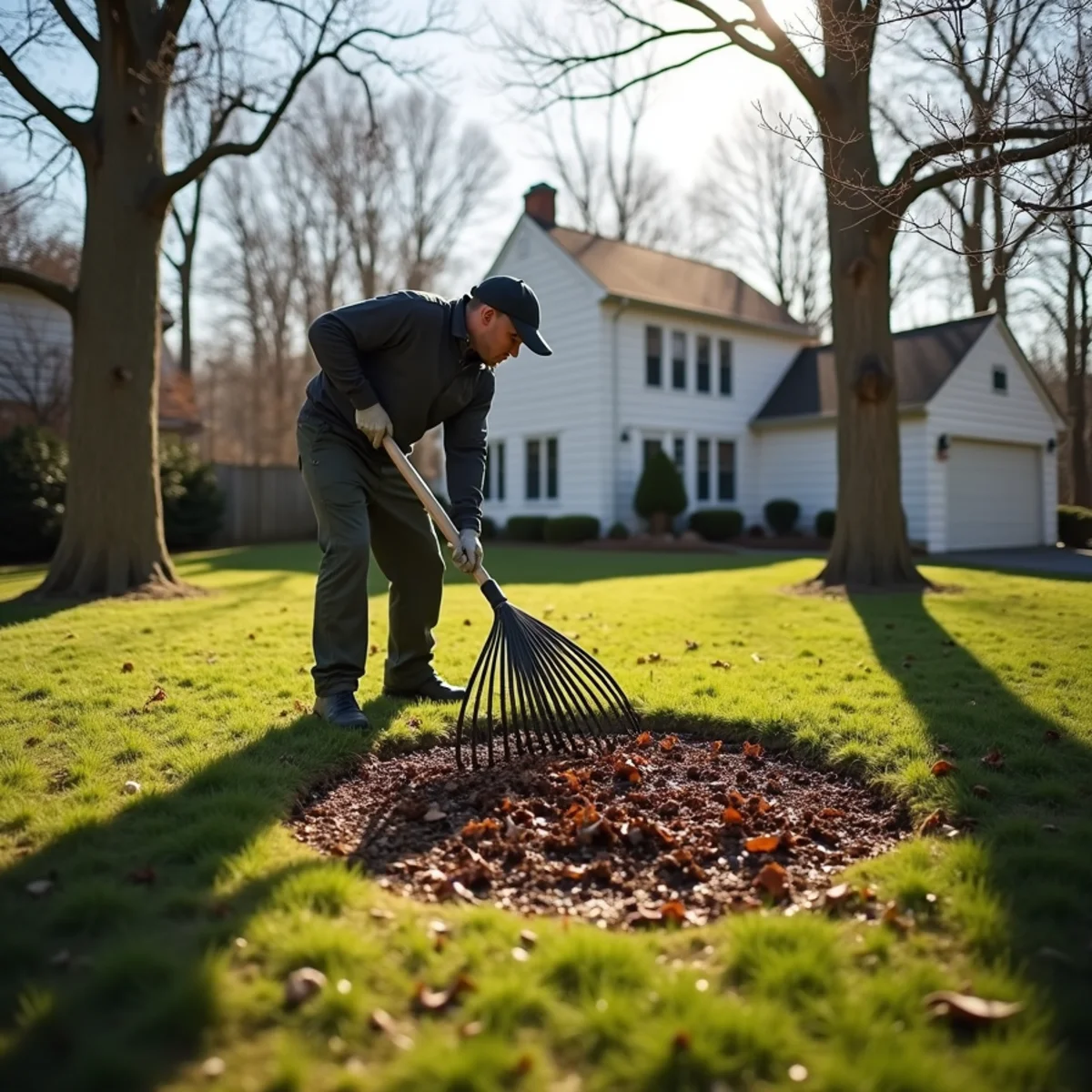
- Clear debris: rake up fallen branches, matted leaves, and winter litter that smother turf and harbor disease
- Assess winter damage: press heaved perennials back into the soil, note broken limbs, and flag salt-burned turf along walks and drives
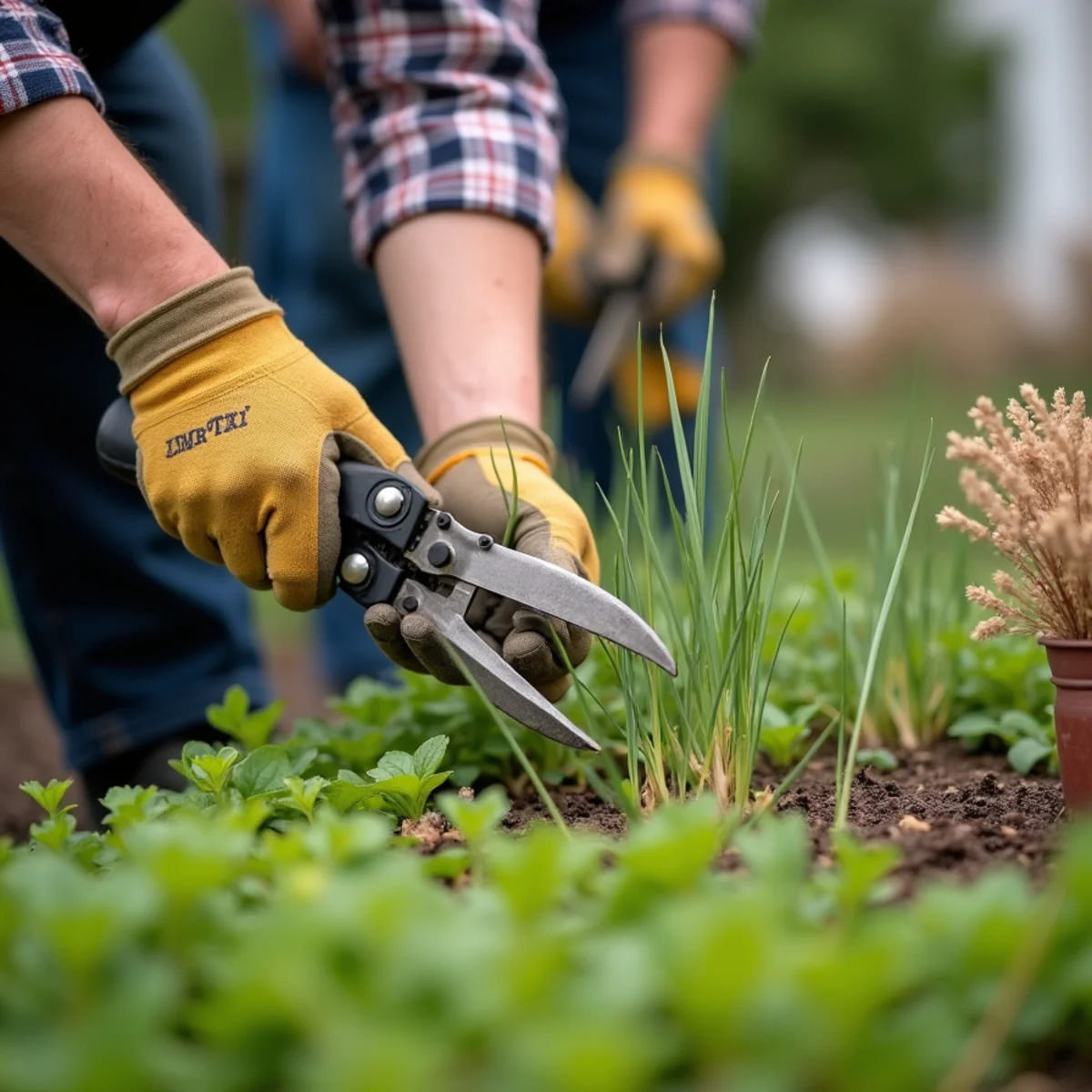
- Cut back perennials and grasses: trim spent perennial stems and ornamental grasses down to a few inches to make room for new growth
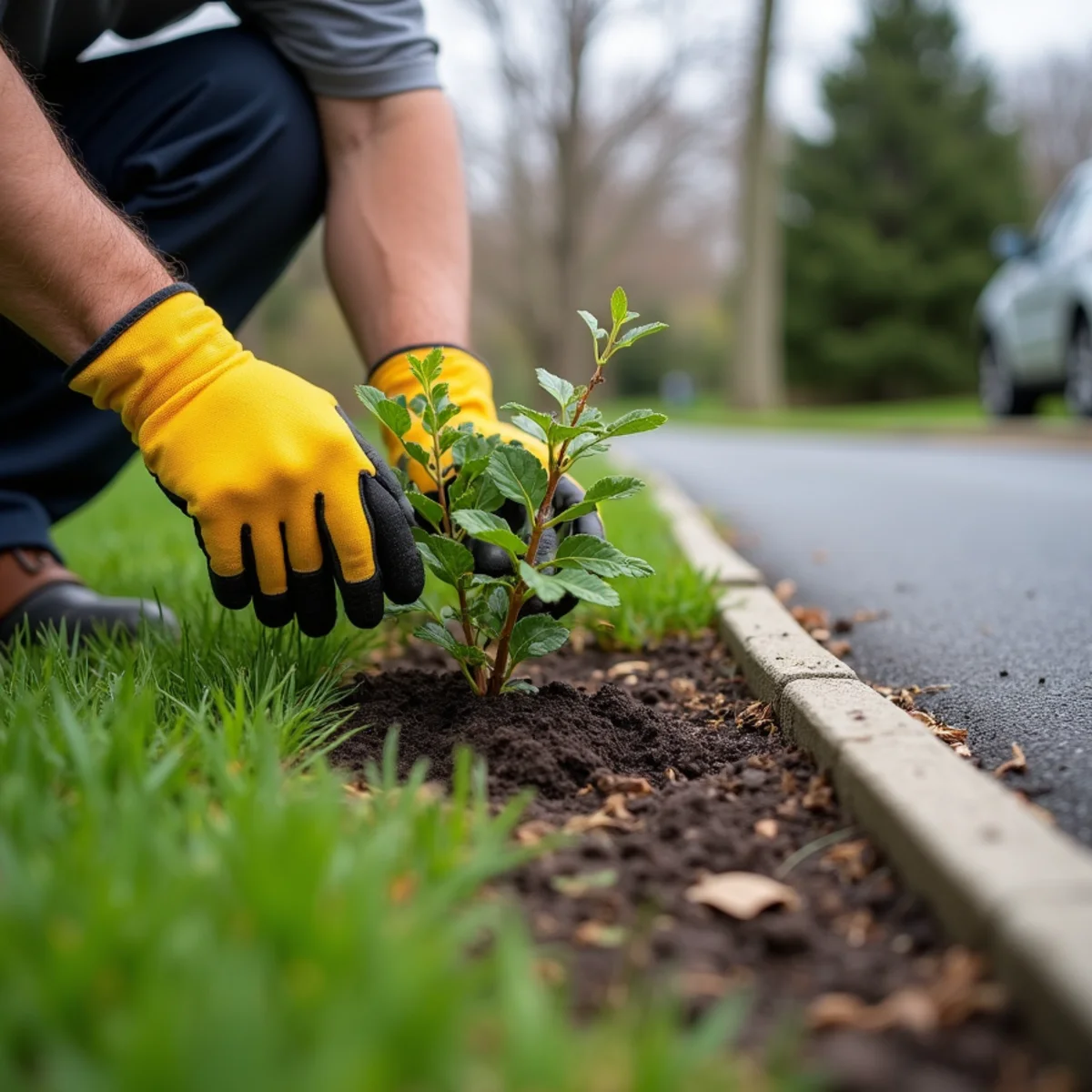
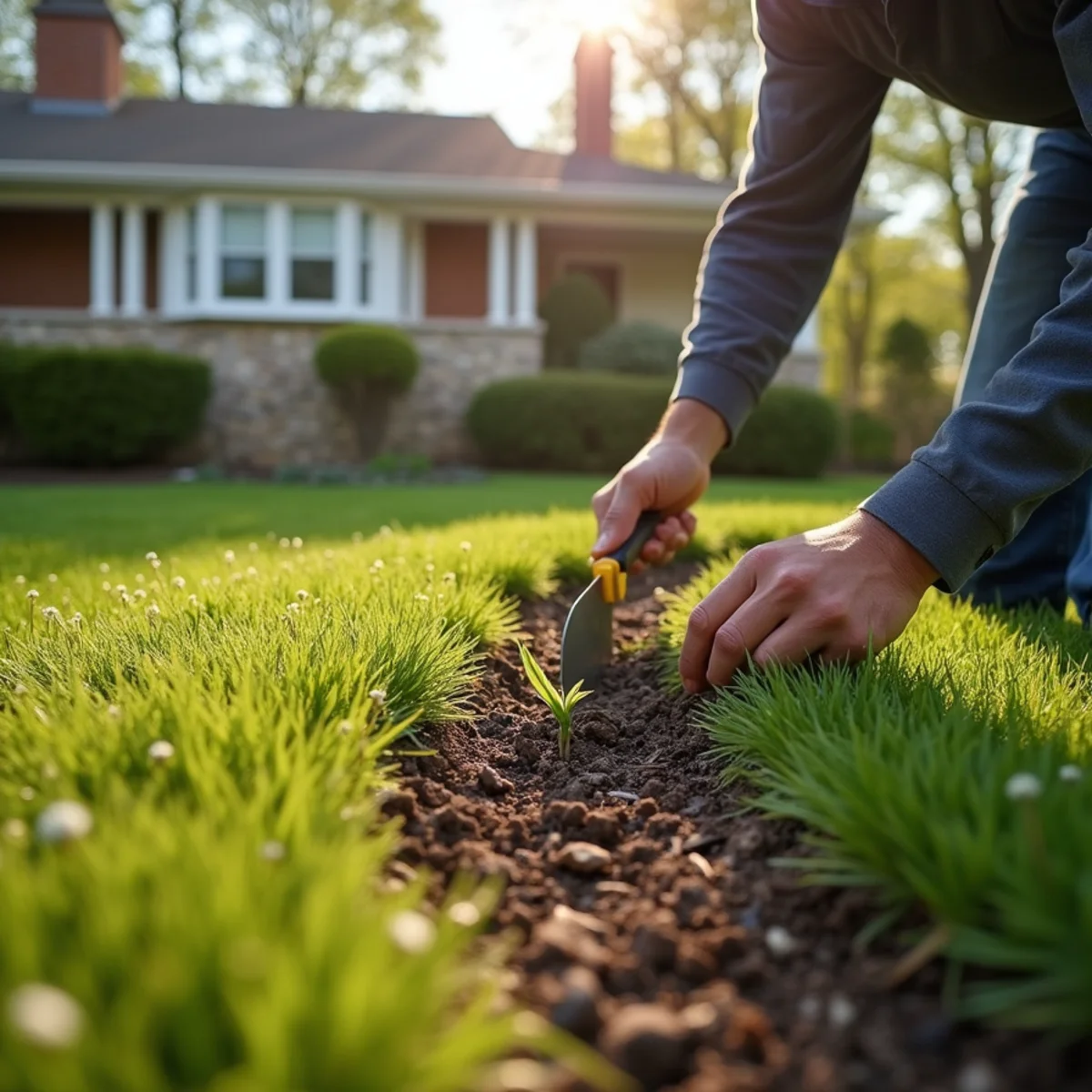
- Edge and weed beds: define crisp bed edges and pull early weeds before they seed
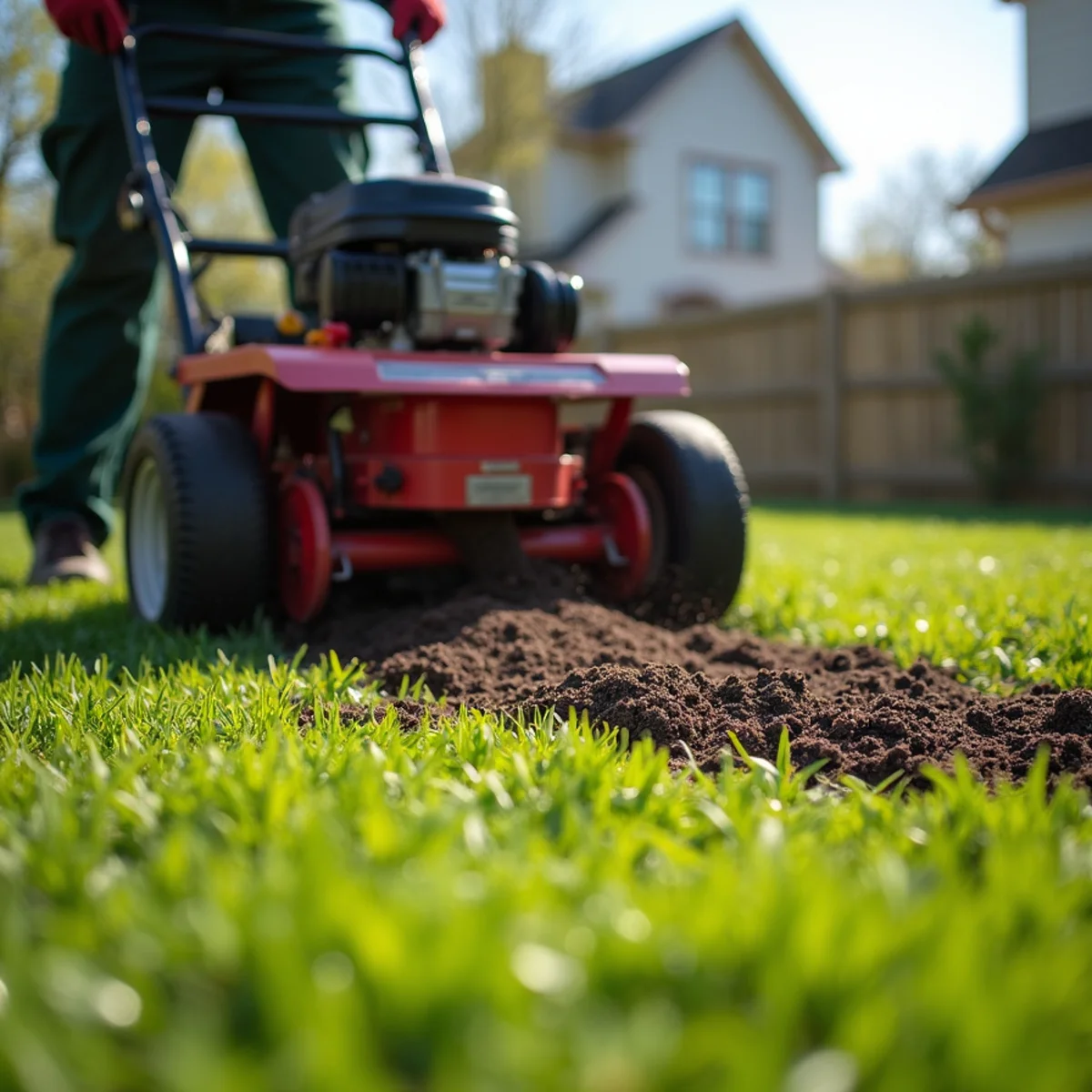
- Aerate and overseed thin turf: relieve compaction and fill bare spots while spring conditions favor germination
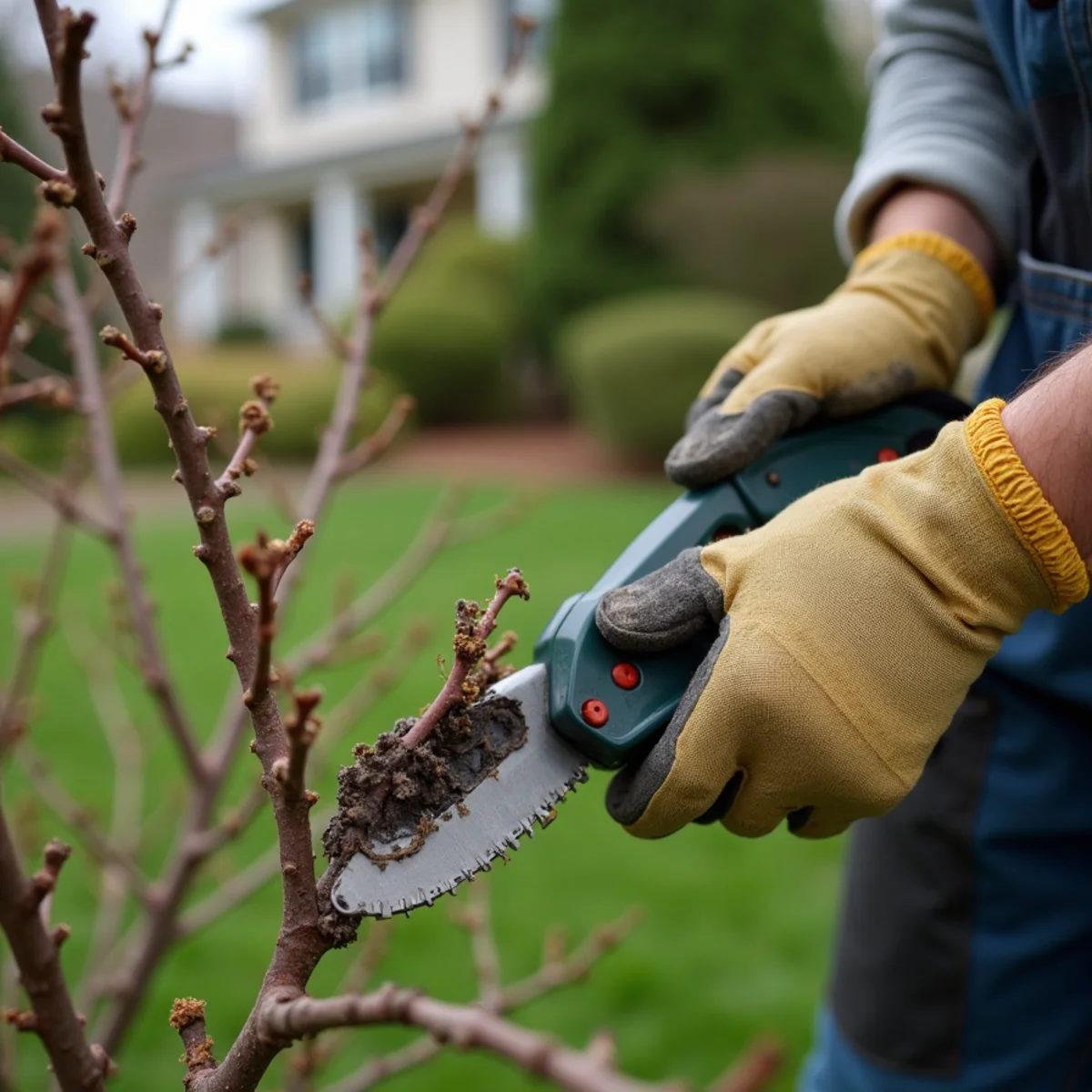
- Prune appropriately: remove dead and damaged wood, but hold off on pruning spring-blooming shrubs until after they flower
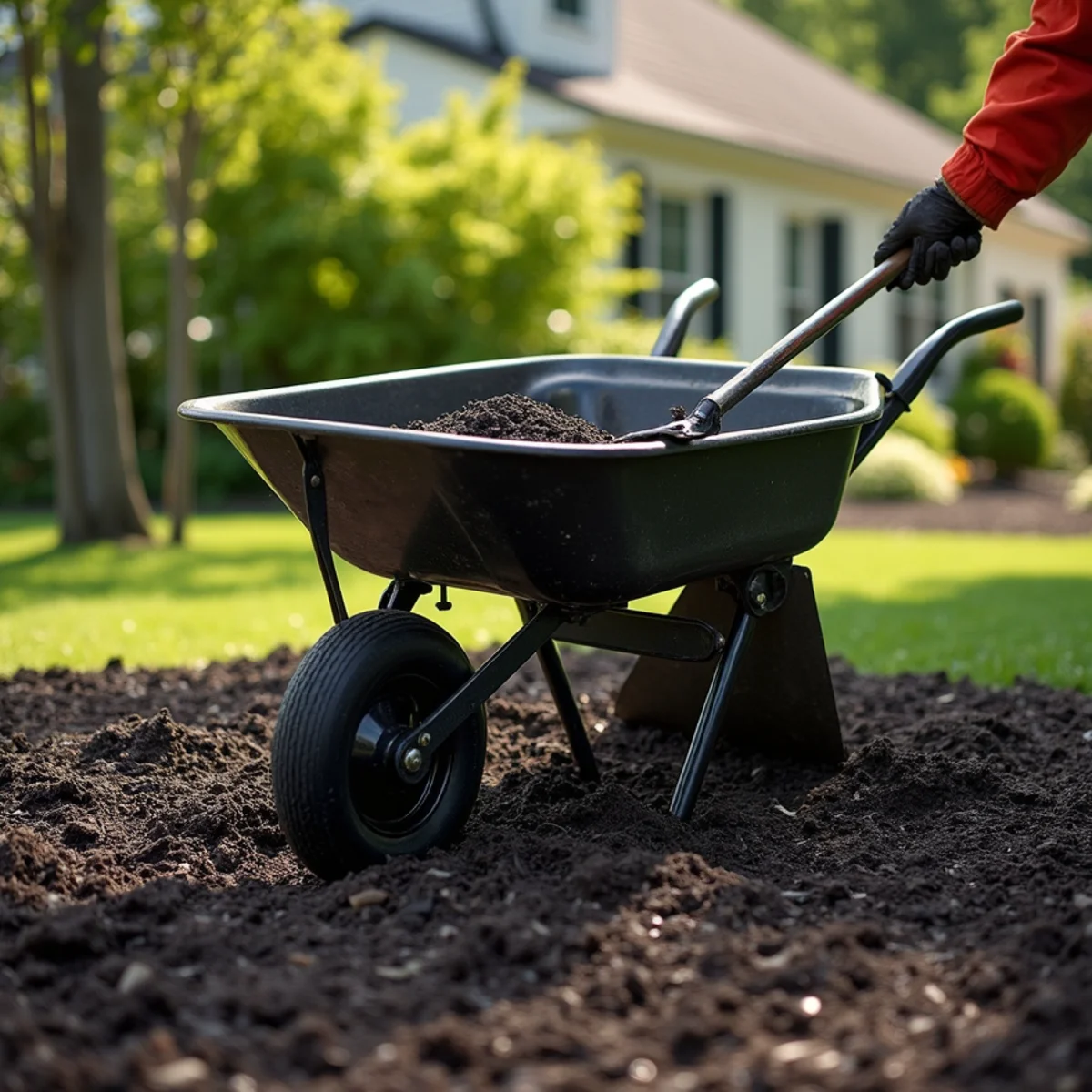
- Mulch: refresh beds with two to three inches once the soil has warmed, keeping material off crowns and trunks
Turf recovery comes first
Your lawn takes the brunt of winter, so give it early attention. Gently rake matted areas to lift compressed grass and let it breathe, which also discourages snow mold. Look for the salt-burned strips along driveways and walkways and the heaved or bare patches that freeze-thaw leaves behind. Light spring seeding fills thin areas, though our region's biggest overseeding push is best saved for fall; in spring, focus on spot repair and getting the lawn growing. Hold off on heavy fertilizer until the turf is actively growing, and never fertilize frozen or dormant grass.
Beds, edging, and the first mulch
Once beds have dried, cut back last year's perennials and grasses, pull the early weeds while they are small, and re-cut clean edges to keep mulch and turf separated. Then hold off on mulch just a little longer than you might expect. Mulching too early over cold, wet soil delays the warming that roots need to get going. When the soil has warmed, refresh beds to two or three inches, and always keep mulch pulled back from crowns and trunks to avoid rot. When we handle mulch installation and bed care, we time that first application to the soil, not the calendar, for exactly this reason.
Trees, shrubs, and storm leftovers
Winter storms leave broken, cracked, and hanging limbs that become hazards as trees leaf out and catch wind. Walk your trees and remove dead and damaged wood, but time your pruning to the plant: cutting a spring-flowering shrub like forsythia or lilac now removes this year's blooms, so prune those right after they finish flowering. Any large, high, or storm-damaged limbs near structures are worth leaving to a crew with the right equipment rather than tackling on a ladder.
Don't forget drainage and hardscape
Spring is also the right time to spot the drainage and hardscape problems winter reveals. Walk the property during or just after a good rain and note where water pools, where downspouts dump onto beds, and where runoff cuts channels through mulch. Freeze-thaw pushes and settles pavers, so check patios and walkways for newly rocking or sunken stones and for joints that have opened up. Catching these early, before summer growth hides them and before small settling becomes a bigger failure, saves money and headaches. A chronic wet spot that drowned your grass last year will do it again unless the grade or drainage is corrected, and spring is the ideal moment to plan that work before the growing season is in full swing.
When to bring in help
A thorough spring cleanup is a big, muddy job, and timing several tasks correctly across a full property is a lot to juggle in the narrow early-season window. Our seasonal yard cleanups handle the debris, cutbacks, edging, and haul-away in one efficient pass, so your landscape is ready for the season without you losing a string of weekends to it. We work the property in the right order, at the right time, and leave it primed for planting and growth.
Give your landscape the strong start that carries it all season. To schedule a spring cleanup for your Freehold Borough or Marlboro property, call The Blue Sky One LLC at (323) 606-0255. We will clear winter behind you and set your lawn and beds up to thrive right through summer.
Step-by-Step
Ready to start? Talk to a local landscaping expert now.
(323) 606-0255Frequently Asked Questions
Wait until the soil has dried enough that a handful crumbles instead of smearing, usually once daytime temperatures hold consistently in the low fifties. Working saturated soil compacts it and harms structure, and cutting beds too early destroys beneficial insects still overwintering in stems and leaf litter. In Central Jersey that window typically opens sometime in March, depending on the year's weather.
Fall is generally the stronger window for major overseeding in our climate, because cooler nights and warm soil favor germination while weed pressure is lower. In spring, focus on spot-seeding bare and salt-damaged patches to get the lawn recovering, and save the big overseeding push for fall. Aerating in spring to relieve compaction still helps a stressed lawn recover.
Hold off on cutting everything to the ground the first warm week. Many native bees and beneficial insects overwinter in hollow stems and leaf litter, so waiting until daytime temperatures are steadily in the low fifties lets them emerge. When you do cut back, trim spent perennials and ornamental grasses to a few inches to make room for fresh growth.
Wait until the soil has warmed, generally mid-to-late spring, rather than mulching over cold, wet ground in early March. Mulching too early insulates the soil and delays the warming roots need to get active. When conditions are right, refresh beds to two or three inches, keeping mulch pulled back from crowns and trunks to prevent rot.