
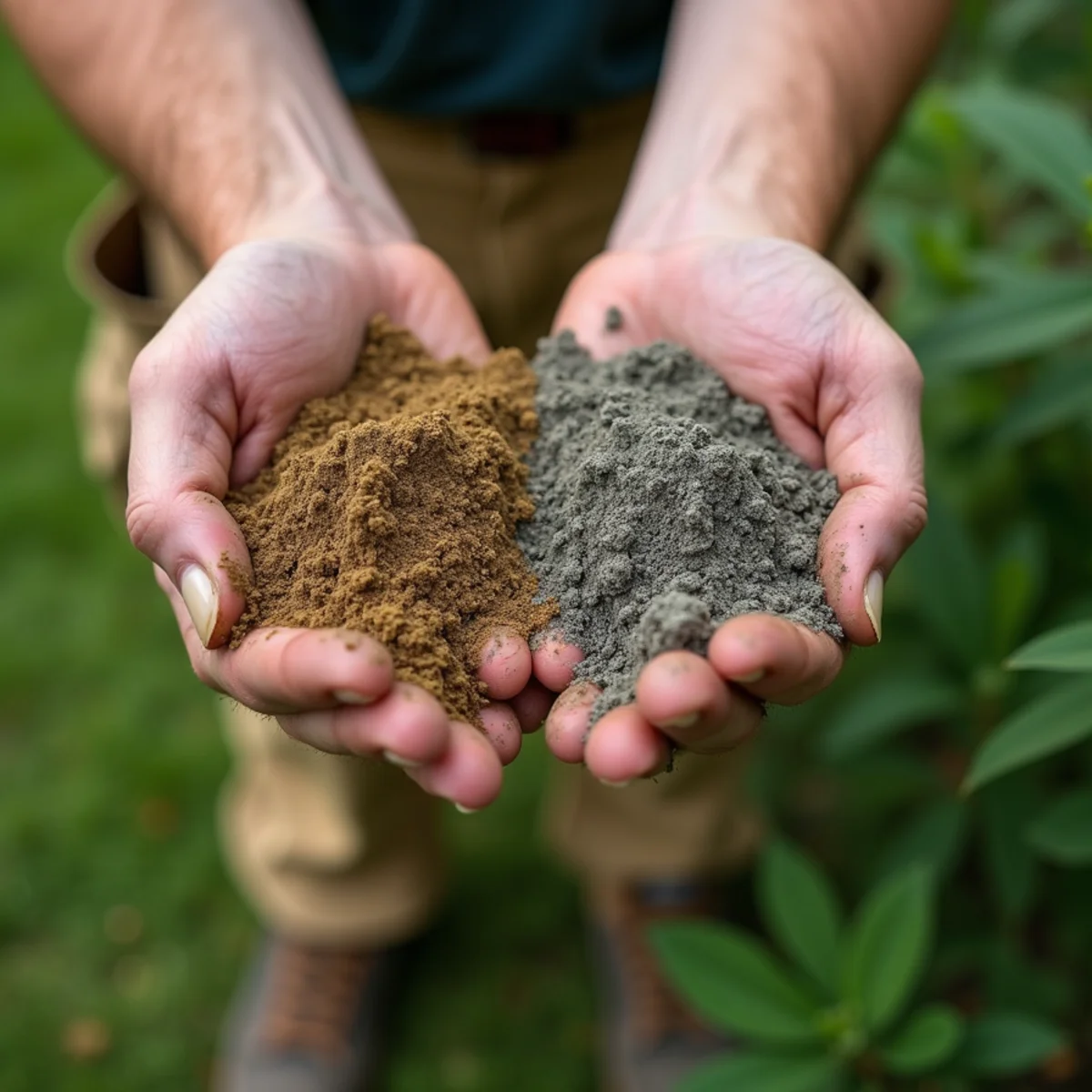
Two yards a mile apart in Monmouth County can behave like different worlds. One drains so fast it needs constant watering; the other stays a soupy mess for days after a storm. The difference is soil, and understanding yours is the foundation of every good planting, grading, and drainage decision. Central Jersey sits on a patchwork of sandy loam and heavy clay, and knowing which you have, or which blend, changes how you should landscape.
The two soils you are most likely to have
Sandy loam
Much of the county, especially toward the coastal plain, carries sandy or sandy-loam soil. It is easy to dig, warms early in spring, and drains quickly, which plants generally like. The downsides are that it dries out fast in summer, leaches nutrients readily, and holds little reserve moisture. Sandy soils here also tend to be acidic, often in the pH 5.0 to 6.0 range, which suits many natives but limits nutrient availability for lawns and vegetables unless corrected.
Heavy clay
Inland and in scattered pockets throughout the county, you find dense clay. Clay holds nutrients and moisture well, but it compacts easily, drains slowly, and heaves hard during freeze-thaw winters. Walk on wet clay and you compress it further, squeezing out the air roots need. Left unamended, clay beds drown plants in wet spells and crack like concrete in dry ones.
How to identify your soil in ten minutes
You do not need a lab for a first read. Two simple field tests tell you a lot before you invest in anything more precise.
- Ribbon test: moisten a handful and squeeze it into a ribbon between thumb and finger. Sandy soil crumbles and will not ribbon; clay forms a long, sticky ribbon that holds together
- Jar test: shake a soil sample with water in a clear jar and let it settle. Sand drops within a minute, silt over hours, and clay stays cloudy longest, giving you a rough layered ratio
- Percolation test: dig a hole about a foot deep, fill it with water, let it drain, refill it, and time the drop. Fast drainage points to sand; water still sitting hours later points to clay or compaction
Planting to match your soil
The smartest, lowest-maintenance approach is to work with the soil you have rather than fight it. In sandy loam, drought-tolerant and native species thrive: bayberry, little bluestem, coneflower, and many ornamental grasses handle fast drainage with little fuss. In clay, choose plants that tolerate heavier, wetter ground, such as river birch, red twig dogwood, switchgrass, and many hydrangeas. When our team plans a landscape design and installation, we select the palette around the soil profile so plants establish faster and demand less water and feeding down the road.
Amending each soil type
Both extremes improve with the same magic ingredient: organic matter. Compost tilled into sandy soil boosts its ability to hold water and nutrients. Compost worked into clay opens up the structure so water and air move through and roots can spread. The mistake to avoid is adding sand to clay in a bid to loosen it, which can create a concrete-like mix. Organic matter, not sand, is the fix for clay. Building organic content over several seasons is the durable path to healthier ground.
Soil, lawns, and drainage go together
Soil type drives lawn care too. Sandy lawns need more frequent, lighter watering and benefit from grasses that tolerate drought, while clay lawns compact under traffic and need periodic core aeration to relieve that compaction and let roots breathe. Our lawn care and maintenance programs are calibrated to the soil underfoot, from mowing height to feeding schedule. And where clay creates chronic wet spots, no plant selection alone will fix standing water; that calls for regrading or a subsurface drainage solution to move water off the property.
A note for new construction and disturbed lots
If your home is newer, be aware that builders often strip topsoil during construction and leave behind compacted subsoil with a thin skin of imported soil on top. Lawns and beds struggle on that base no matter how much you fertilize. The remedy is decompaction, generous organic amendment, and sometimes bringing in quality topsoil. It is common across newer developments in Freehold Township and Millstone Township, and it is fixable with the right approach.
How pH ties it all together
Texture is only half the story; the other half is chemistry. Our regional soils frequently test acidic, often between pH 5.0 and 6.0, and pH controls how available nutrients are to plants. In overly acidic ground, even a well-fed lawn cannot fully use the nitrogen, phosphorus, and potassium in the soil, so it stays thin and pale no matter how much you fertilize. That is why we recommend a soil test before liming: applying lime by guesswork can overshoot and lock up other nutrients. Acid-loving plants like azaleas, hollies, and blueberries are happy in our native pH, but most lawns and vegetable gardens benefit from a measured lime application to nudge pH into a more productive range. Get the number first, then correct to it.
Knowing your soil turns landscaping from trial and error into a plan that works. If you want an expert read on your ground and a design and maintenance strategy built around it, call The Blue Sky One LLC at (323) 606-0255. We will assess your soil, recommend testing where it counts, and match the right plants, grading, and care to your Monmouth County property.
Ready to start? Talk to a local landscaping expert now.
(323) 606-0255Frequently Asked Questions
Try the ribbon test: moisten a handful and squeeze it between your fingers. Sandy soil crumbles and will not hold a ribbon, while clay forms a long, sticky ribbon. A jar test, where you shake soil in water and watch the layers settle, gives you the rough sand-silt-clay ratio. For fertility and pH, get a Rutgers Cooperative Extension test.
No. Mixing sand into clay often creates a dense, concrete-like material that drains even worse. The right amendment for clay is generous organic matter, such as compost, worked in over time. Organic matter opens the structure so water and air move through and roots can spread, and it also improves sandy soil by helping it retain moisture and nutrients.
Builders frequently strip the topsoil and leave compacted subsoil beneath a thin surface layer, so roots hit a dense, oxygen-poor base that no amount of fertilizer overcomes. The fix is core aeration or decompaction, heavy organic amendment, and sometimes new topsoil. This is common on newer lots in Freehold Township and Millstone Township and is very fixable with the right approach.
A lab test is worth it before you lime, fertilize heavily, or install a new bed, because it tells you exact pH and nutrient levels instead of leaving you to guess. Our regional soils are often acidic, and correcting pH by the numbers is far more effective and economical than applying products blindly. Rutgers Cooperative Extension offers affordable, reliable testing.