
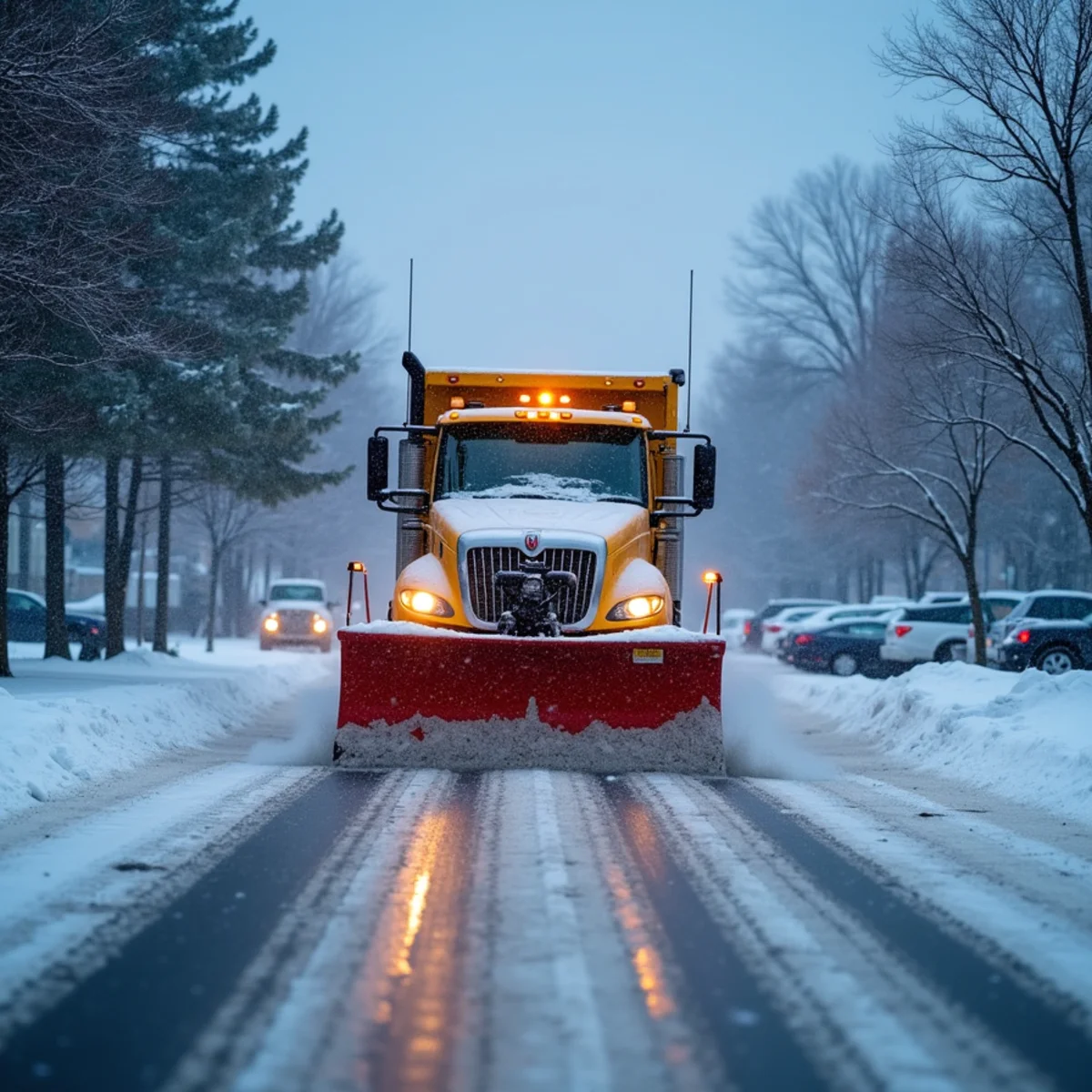
For a homeowner, a snowstorm is an inconvenience. For a commercial property manager in New Jersey, it is a liability event with a clock running. From the moment snow begins to accumulate, you are responsible for the safety of everyone who walks or drives on your property, and a single slip-and-fall can turn into a costly claim that lingers for years. Managing that risk is not about owning a plow; it is about having a professional response plan that keeps your lots and walkways safe from the first flake to the final melt.
Understanding your winter liability
New Jersey commercial property owners have a duty to maintain reasonably safe conditions, and that duty does not pause for weather. When a customer falls on an icy walkway outside a Freehold Borough storefront or in an Edison office park lot, the questions that follow are specific: When did it snow? When was the property treated? Who did the work, and is there a record? Property managers who cannot answer those questions clearly are exposed. Those who can point to a documented, professional service program are in a far stronger position.
Why timing beats brute force
The most dangerous conditions on a commercial property are rarely the deep snow; they are the thin, refrozen glaze that forms when melt runs across a lot and freezes overnight, and the packed layer that develops when snow is not cleared promptly. A truly protective program is proactive. It applies deicer ahead of a storm when appropriate, plows at intervals during accumulation rather than waiting for it to pile up, and returns to treat refreeze after the storm ends. Our Emergency Snow Plowing and Deicing service is structured around these trigger points precisely because the timing, not the horsepower, is what actually prevents falls.
The trigger points that matter
- Pre-treatment before a storm to keep snow and ice from bonding to the pavement, making later clearing faster and safer.
- Plowing during accumulation so snow depth never reaches the point where it packs into ice under traffic.
- Full clearing once snowfall stops, including the corners and edges where windblown drifts collect.
- Deicing of walkways, entrances, and handicap-access areas where pedestrians are most exposed.
- A follow-up pass to catch refreeze, which is often the single most hazardous moment of the whole event.
Don't forget the pedestrian zones
Plow contracts often focus on the drive lanes and parking areas because they are the largest surfaces, but the highest-risk falls happen where people are on foot: entrances, sidewalks, ramps, stairs, and the painted crosswalk lines that get slick. A complete emergency response treats these areas with the same urgency as the lot, and returns to them because foot-packed snow and refreeze target exactly these zones. Neglecting the walkway while clearing the lot is a common and expensive gap.
Beyond the storm: the year-round relationship
The property managers who navigate winter most smoothly are usually the ones who already have a trusted partner maintaining their grounds the rest of the year. When the same team that mows, mulches, and maintains your landscape through the warm months also handles your snow response, they already know the property intimately: where the drainage runs, where ice tends to form, where the vulnerable transitions are. Our Commercial Landscaping Maintenance clients get exactly that continuity, and it makes the winter program tighter because nothing about the site is a surprise.
That familiarity also helps with the small details that cause big problems, like knowing which low spot in an Edison lot collects meltwater and freezes first, or which Freehold Borough entrance faces north and stays icy longest. A one-time plow contractor does not carry that knowledge; a year-round partner does.
Deicing responsibly matters too
Keeping a property safe does not mean drowning it in salt. Over-application wastes material, damages the landscape you paid to maintain, and washes chloride into storm drains, which runs counter to NJDEP stormwater guidance. A professional program uses the right product at the right rate for the temperature and conditions, treats the areas that matter most, and times applications to prevent bonding rather than reacting after ice has already formed. That approach protects pedestrians, your plantings, and your budget at the same time, and it holds up better if the effectiveness of your winter response is ever questioned in a claim.
What to look for in a snow partner
- Around-the-clock availability, because snow does not respect business hours and refreeze happens overnight.
- Clear service triggers so you know exactly what accumulation prompts a visit.
- Documentation of every visit with times and treatments applied.
- Adequate equipment and crews to cover your property fully within your required window.
- Proper licensing and insurance, so a claim on your property does not become a claim against you.
Winter liability is manageable, but only with a plan in place before the first storm, not a scramble after it. The Blue Sky One LLC has served Monmouth County commercial properties since 2020, we are licensed and insured, and our emergency snow and deicing response runs 24/7 all winter. Call (323) 606-0255 to set up a snow management program that protects your tenants, your customers, and your business, backed by our satisfaction guarantee.
Ready to start? Talk to a local landscaping expert now.
(323) 606-0255Frequently Asked Questions
Waiting until snowfall ends lets snow pack into ice under traffic, so the best programs plow at intervals during accumulation and then do a full clearing once it stops. The right trigger depends on your property's use and traffic, which is why a defined service agreement with clear thresholds beats calling for a plow after the fact.
If a slip-and-fall claim arises, your defense depends on showing you acted reasonably. Time-stamped records of when the property was plowed and salted demonstrate a diligent response. A professional service that logs each visit gives you that evidence, whereas informal or undocumented arrangements leave you exposed to disputes about what was done and when.
Yes. We provide commercial landscaping maintenance through the warm months and emergency snow plowing and deicing through winter. Managers who use one team for both benefit from continuity, since we already know where the site drains, where ice forms, and which entrances need extra attention long before the first storm arrives.
Pedestrian zones: entrances, sidewalks, ramps, stairs, and crosswalks, plus any low spot where meltwater refreezes overnight. These often get less attention than drive lanes but produce the most injuries. A complete program treats these areas with the same priority as the lot and returns to catch refreeze after the storm ends.