
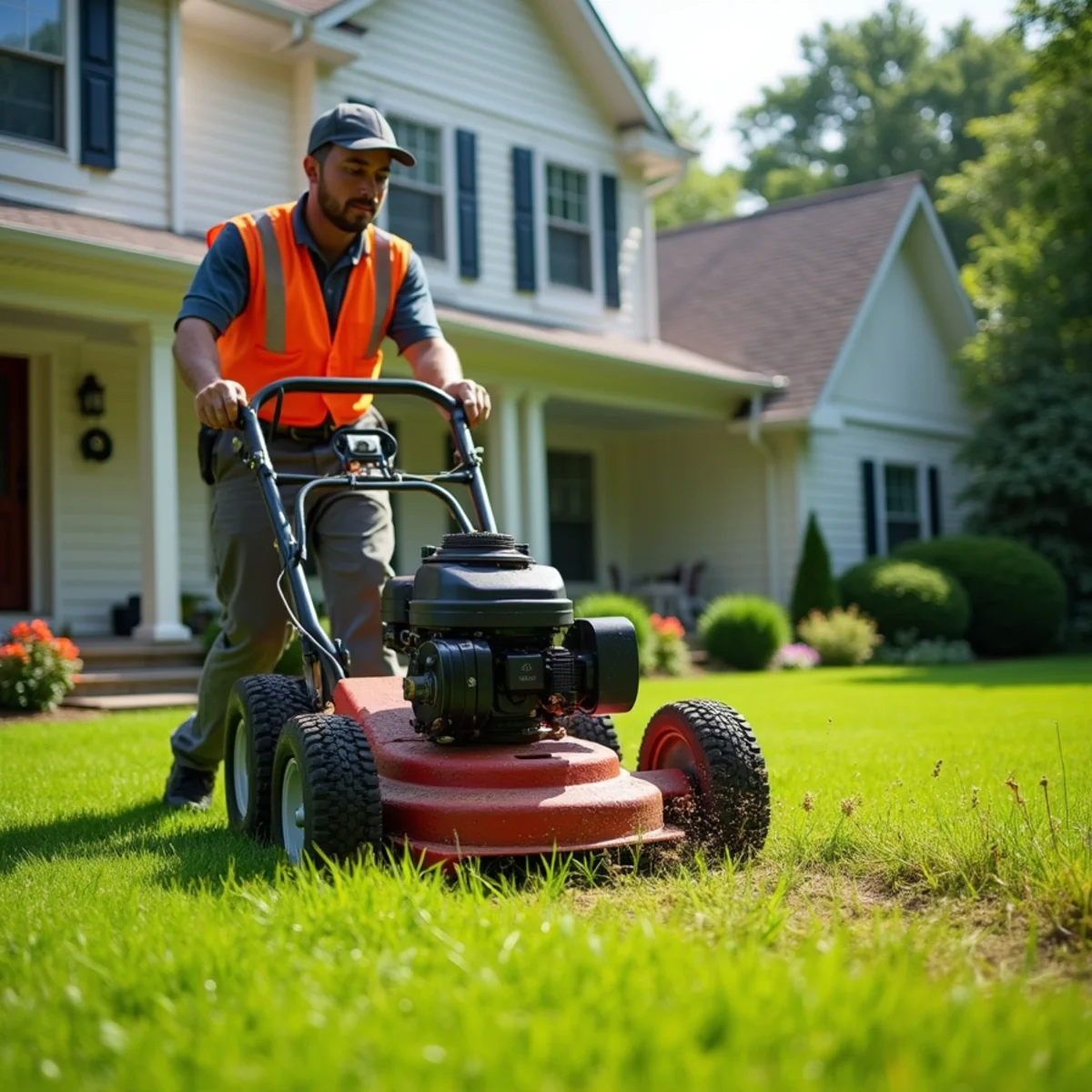
A tired lawn full of bare patches, weeds, and thin, struggling grass is a common frustration for Central New Jersey homeowners. The good news is that not every failing lawn needs to be torn out and replaced. Sometimes the existing turf can be revived at a fraction of the cost; other times the lawn is too far gone and full sod replacement is the wiser investment. Knowing which situation you are in saves money and disappointment, so here is how to judge honestly and choose the right path for your yard.
First, understand why your lawn is struggling
Before deciding how to fix a lawn, it helps to know why it failed, because the cause often points to the solution. Central New Jersey lawns commonly struggle for a few recurring reasons: acidic sandy-loam soil that grass dislikes, compacted ground that chokes roots, poor drainage that drowns turf, too much shade, or years of neglect that let weeds outcompete the grass. A soil test through Rutgers Cooperative Extension is inexpensive and tells you your soil pH and what it needs, which is genuinely useful information whether you renovate or replace, because a lawn planted into unaddressed bad soil will struggle no matter what.
When aeration and overseeding is the answer
If your lawn is thin and weedy but still has a reasonable amount of living grass, roughly half or more coverage, renovation is usually the smart, economical choice. The core process is aeration followed by overseeding. Core aeration pulls small plugs of soil out of the lawn, relieving the compaction that is common in our clay-influenced soils and letting air, water, and nutrients reach the roots. Overseeding then spreads fresh grass seed into that receptive, opened-up soil, thickening the turf so new grass can crowd out weeds over time.
The best timing in our climate
Timing matters enormously. In our region, early fall is the ideal window for aeration and overseeding, because the soil is still warm enough for fast germination while cooling air and reliable moisture help young grass establish without summer heat stress. Spring is a workable second choice. Our Lawn Care and Maintenance programs are built around these seasonal windows, pairing aeration and overseeding with the fertilization and ongoing care that turn a one-time renovation into a lawn that actually stays thick.
- Good candidate for renovation: at least roughly half living grass, manageable weeds, no severe underlying grade or drainage failure.
- Core aerate to relieve compaction before seeding.
- Overseed with quality seed suited to sun or shade conditions.
- Address soil pH and nutrition based on a soil test.
- Follow with proper watering and a maintenance program so the new seed establishes and thickens.
When sod replacement makes more sense
There is a point where a lawn is too far gone to nurse back, and continuing to overseed a failed lawn just wastes seasons and money. Full sod replacement, or turf replacement, gives you an instant, mature lawn and a fresh start, and in the right situation it is the better value despite the higher upfront cost. As a planning range, sod typically runs about 1.50 to 3.50 dollars per square foot installed.
Consider full replacement when the lawn is mostly weeds or bare soil with little living grass left to build on, when it is so overrun that overseeding cannot realistically win, when you want an immediate finished look rather than waiting through a season of germination and fill-in, or when you are regrading or fixing drainage anyway and it makes sense to start the turf fresh. Our Sod Installation and Turf Replacement service includes preparing the soil properly first, because sod laid over compacted or poorly drained ground will fail just like the lawn before it. Done right, with corrected soil and grade, sod establishes into a durable lawn quickly.
A simple way to decide
- Estimate how much of the lawn is living grass versus weeds and bare soil.
- If it is roughly half or more grass with fixable soil, plan aeration and overseeding in the fall window.
- If it is mostly weeds or bare, or you want instant results, price out sod replacement.
- Either way, test and correct the soil first, and address any drainage or grade problem before planting.
- Match the choice to your budget and your patience, since seed is cheaper but takes a season while sod is instant.
The honest recommendation
A trustworthy company will not push you toward the more expensive option when overseeding would serve you well, nor will it sell you repeated overseeding on a lawn that clearly needs replacing. When we look at a struggling lawn in Freehold Borough or Holmdel Township, we assess the living grass, the soil, the drainage, and your goals, then recommend the path that gives you the best result for your money. Sometimes that is a straightforward fall aeration and overseeding; sometimes it is a fresh sod lawn on corrected soil. The right answer is the one that fits your specific yard.
If your lawn is patchy, weedy, and frustrating you, let us help you decide between reviving it and replacing it. The Blue Sky One LLC has served Monmouth County since 2020, we are licensed and insured, and we give honest recommendations based on what your lawn actually needs. Call (323) 606-0255 for an evaluation, backed by our satisfaction guarantee.
Ready to start? Talk to a local landscaping expert now.
(323) 606-0255Frequently Asked Questions
Often yes. If your lawn still has roughly half or more living grass and no severe drainage or grade failure, core aeration followed by overseeding can revive it at a fraction of the cost of sod. The key is relieving compaction, adding fresh seed at the right time, correcting soil issues, and following up with proper watering and maintenance.
Early fall is ideal in our region. The soil is still warm enough for quick germination while cooling air and steadier moisture help young grass establish without summer heat stress. Spring is a workable second option. Timing your renovation to these windows dramatically improves how well new seed takes and how thick the resulting lawn becomes.
When the lawn is mostly weeds or bare soil with little grass to build on, when it is too overrun for overseeding to win, when you want an instant finished lawn, or when you are already regrading or fixing drainage. Sod runs roughly 1.50 to 3.50 dollars per square foot installed and gives a mature lawn immediately on properly prepared soil.
Usually because the underlying soil problem was never fixed. Compaction, poor drainage, or acidic soil that killed the old lawn will attack new seed or sod too. A Rutgers Cooperative Extension soil test reveals pH and nutrient needs. Correcting soil, compaction, and drainage before planting is what lets new grass actually establish and last rather than repeating the failure.